Thinking clearly · Chapter 3
How can you avoid the sunk cost fallacy?
Ask whether you would choose the next investment starting from today. Irrecoverable money, time and effort are not benefits of continuing. Future consequences matter; the wish to justify the past does not.
What the trap looks like
Arkes and Blumer described a greater tendency to continue after investing money, effort or time. Their field and questionnaire studies examined the wish not to appear wasteful.1
Chapter 3 concerns bugs in our thinking. My warning sign is a reason stated entirely in the past: 'we have already spent too much to stop'. That explains discomfort, not why the next step is worth taking.
Stopping has costs too
Do not cancel everything that becomes difficult. Ending a contract, course or project may create future costs and obligations. Include them. Exclude only genuinely unrecoverable spending.
Ask someone not invested in the first choice to examine the forward-looking case. Which option is better now, rather than which makes the first decision look less embarrassing?
A check you can use
- Compare future costs and benefits of continuing and stopping.
- Separate past spending from actual exit costs.
- Set a stop condition before the next investment.
Is persistence always a sunk cost mistake?
No. Continue if the future case is good. The mistake is letting irrecoverable past investment make that case look better than it is. The research describes a tendency, not a verdict on every difficult project.1
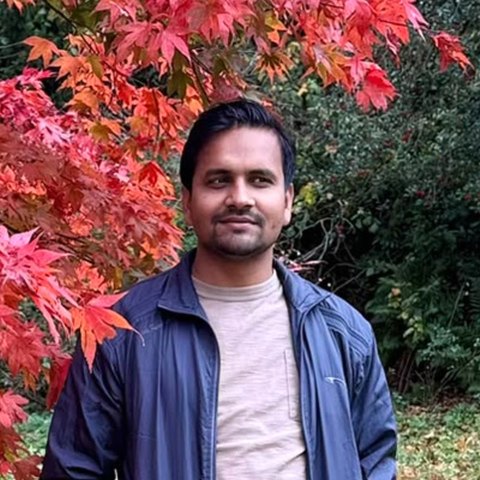
Zafar Alam is a civil engineer and Chartered Construction Manager with about 12 years on major projects. He is the author of What Are We Missing? How to Think More Clearly Before You Decide, planned for 13 February 2027.
Keep thinking
How can you avoid confirmation bias?Chapter 10 · Building Critical Thinking HabitsWhy did the 2008 financial crisis happen?Chapter 2 · The Machinery of ThinkingUse this on a real decision
What are you missing?
Bring a decision you are weighing to the PRISM decision audit. Work through the question, the evidence and what could change your mind.
Audit your decision with PRISM